If you're reading this because something doesn't feel safe, start here: the National Domestic Violence Hotline is 1-800-799-7233, free and confidential, 24 hours a day. You can also text START to 88788. Nothing below is a substitute for talking to someone who can respond to your specific situation.
October is Domestic Violence Awareness Month, and a lot of the material published about safety planning is either a clinical PDF or a long-form article -- useful, but not always something you can act on in the moment. This is a short, practical walkthrough of what a safety plan actually contains, and why keeping it private matters as much as what's in it.
How to make a safety plan for domestic violence
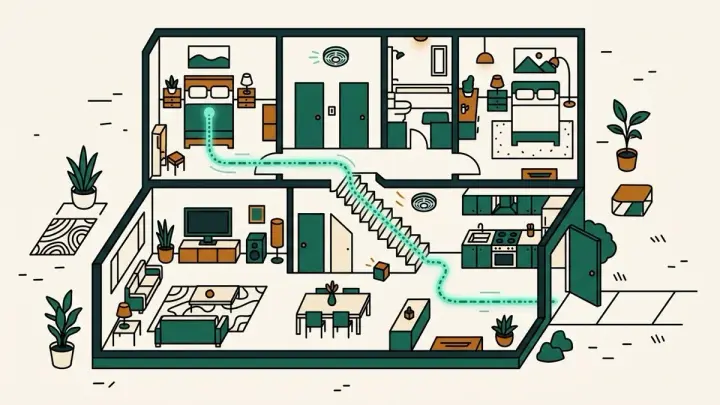
A safety plan isn't a single document with one right format -- it's a personal, practical set of decisions made in advance, so you're not figuring them out under pressure. The version most domestic violence organizations teach (including the National Domestic Violence Hotline's own published template) generally covers the same handful of areas: a safe place you could go if you needed to, a code word with someone you trust that signals you need help without saying so directly, important documents and items kept ready, a list of people you could contact, and a way to communicate that you're confident isn't monitored. You don't have to fill in all of it at once, and there's no wrong way to do it.
Domestic violence awareness month 2026: why this comes up in October
October is recognized nationally as Domestic Violence Awareness Month, which is why safety-planning resources and hotline numbers get more visibility this time of year. But the need for a plan isn't seasonal -- if anything, awareness months are a useful reminder to have this ready before, not during, a crisis.
National domestic violence hotline number, verified
The National Domestic Violence Hotline can be reached at 1-800-799-7233, or by texting START to 88788. It's staffed 24/7, free, and confidential -- and it's a good first call whether you're planning ahead, in the middle of something right now, or just want to talk through what your options are.
Safety plan template for leaving (or staying) in an abusive relationship
It's worth saying plainly: a safety plan isn't only for people who are leaving. It can help you be safer while still in the relationship, too -- there's no judgment built into any of this about what's right for you. What matters is that the plan lives somewhere private, and that filling it out doesn't create a new risk (a downloaded file or a browser history entry, for example, can itself be a safety problem if a device is shared or monitored).
The Domestic Violence Safety Plan Generator is built around that constraint: everything you type stays in your browser, nothing is saved or sent anywhere, and a Quick Exit button (press Escape twice, or click the button) takes you to an unrelated site instantly if you need to leave the page right now.
Try the Domestic Violence Safety Plan Generator →
Sources: The National Domestic Violence Hotline (thehotline.org) -- hotline number, text option, Quick Exit pattern, and published safety-plan template categories.