Fire Prevention Week 2026 runs October 4-10, and NFPA's official focus this year is "Charge into Fire Safety" -- safe charging habits for the lithium-ion batteries in phones, laptops, power tools, e-bikes, and scooters. The stakes are real: working smoke alarms cut your risk of dying in a home fire by about 60%, and roughly three in five home fire deaths happen in homes with no smoke alarms or non-working ones, according to NFPA's Smoke Alarms in the U.S. report.
How to make a family fire escape plan with kids
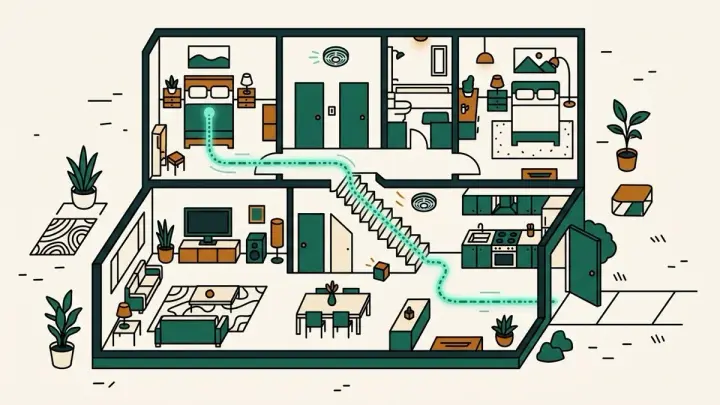
Fire safety guides from Ready.gov and children's hospitals agree on the basics: find two ways out of every room, agree on an outside meeting spot, and designate who helps young children, older family members, or anyone with mobility challenges get out -- with a backup helper in case the first one isn't home. The Fire Escape Plan Generator turns this into a few form fields: tell it how many floors your home has and name each bedroom, and it writes out a primary and backup route for each one in plain language, plus a shared meeting point reminder.
Two ways out: what "primary" and "backup" routes actually mean
The primary route is normally the door; the backup is what you use if smoke or fire blocks that door -- typically a window, sometimes with an escape ladder for upper floors. Every escape plan guide stresses this "two ways out" rule for a reason: a single planned exit becomes a dead end the moment it's the one that's blocked.
How often to practice a fire escape plan
Guidance from FEMA and fire departments is consistent: practice your plan at least twice a year, and try different scenarios (pretend a specific door is blocked) so the routes feel automatic under stress, not just on paper. Treat this generator's output as a first draft to walk through together, not a finished plan you never revisit.
Safe way to charge an e-bike battery indoors
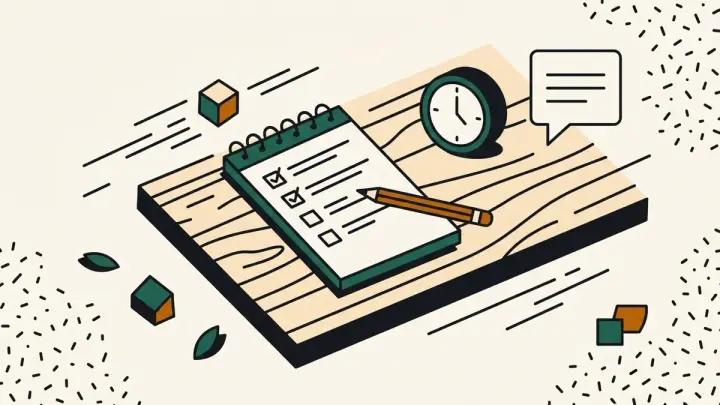
NFPA's 2026 campaign centers on this exact question. The core rules, repeated across fire-safety sources: use only the manufacturer-approved cord and charger, charge on a hard flat surface (never a bed, couch, or under a pillow where heat gets trapped), don't leave a battery charging unattended overnight, and never charge anything in a hallway or doorway that's part of your escape route. The generator includes this full checklist alongside your escape plan.