Before building our braille translator, we looked into why automated braille tools get criticized, and the answer was consistent across sources.
Text to braille converter — the accuracy problem is Grade 2, not Grade 1
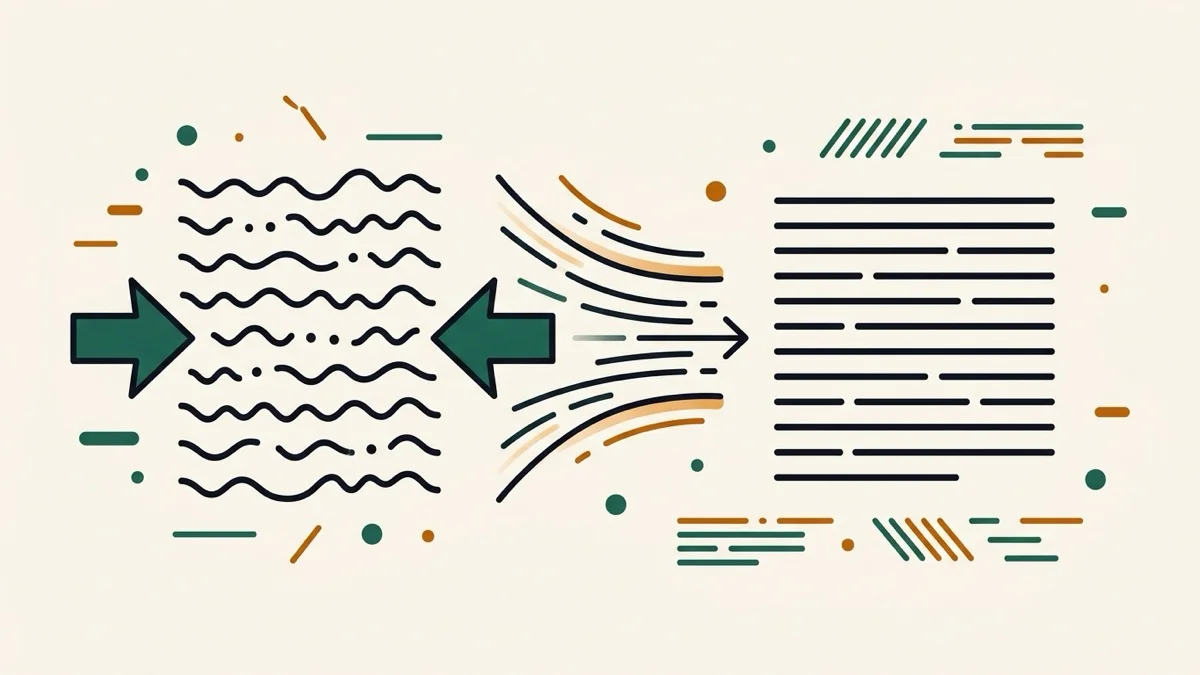
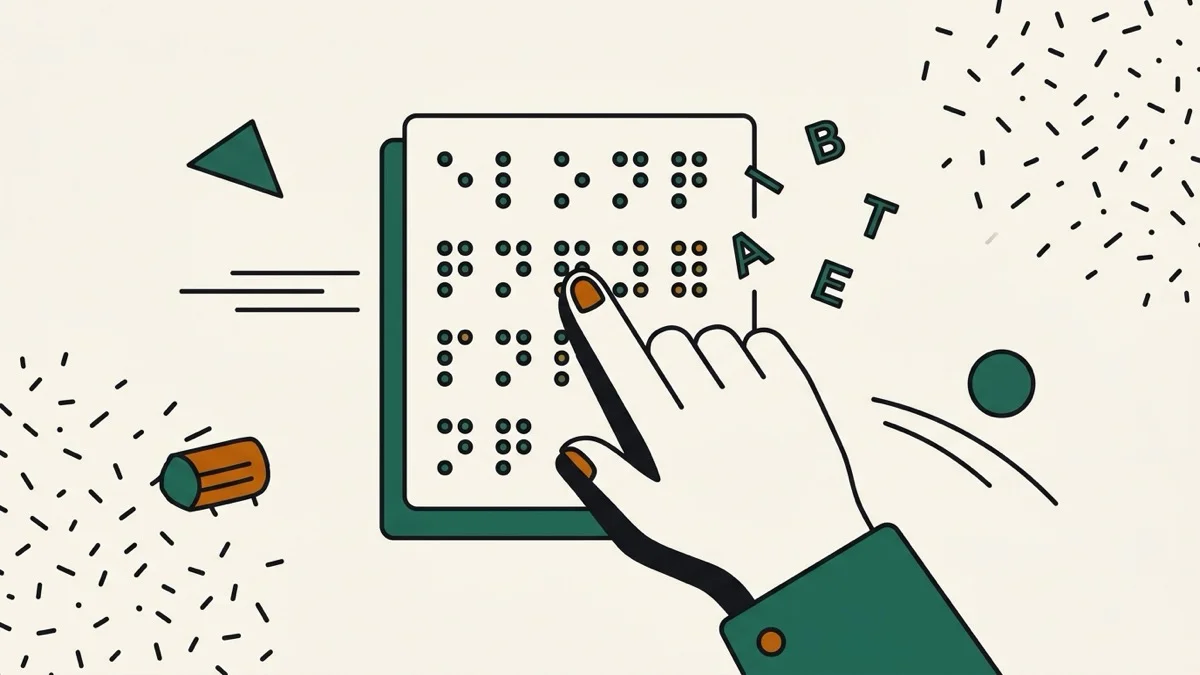
Braille comes in two grades. Grade 2 (contracted) abbreviates common letter combinations — but deciding when an abbreviation applies requires understanding what a sentence actually means, which is exactly the kind of judgment call software gets wrong. Grade 1 (uncontracted) maps every single letter to its own cell with no abbreviation at all, which means converting it back always returns your exact original text. We only built Grade 1, on purpose.
Getting capital and number signs right
Grade 1 still has real rules to get right: a capital sign (⠠) has to precede each uppercase letter, and a number sign (⠼) has to precede a run of digits — and if a letter immediately follows a number with no space between them, standard braille uses a separate "letter sign" to mark the switch back. We caught that exact edge case during testing (a mixed string like "a1b2" was round-tripping incorrectly) and fixed it before shipping.
Braille to text, verified with round-trip tests
Every release of this tool is checked by converting text to braille and back again and confirming the output matches the original exactly — including capitals, numbers, and punctuation.