Shrinkflation Calculator
Enter the size (any unit — oz, count, ml, whatever's on the label) and price from the old package, and the same for the new one.
Enter positive sizes and prices for both the old and new package.
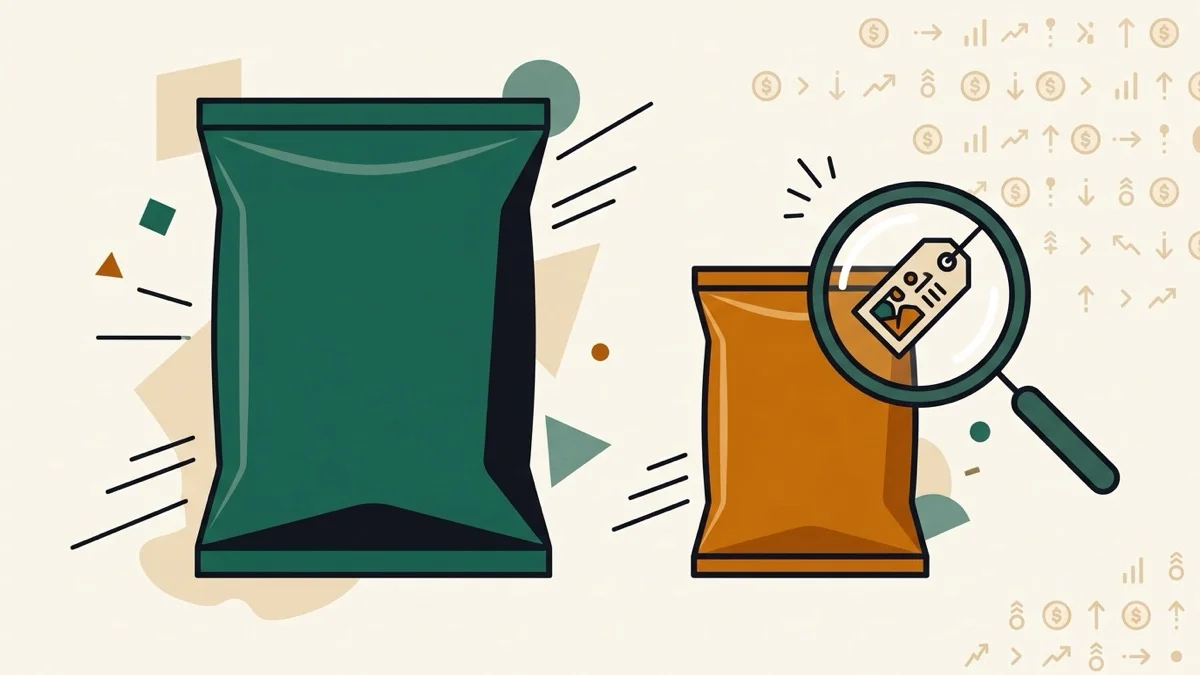
"Real price increase" compares price per unit (price ÷ size), not the sticker price alone — this is what catches shrinkflation, where the price on the shelf can stay the same or barely move while the package quietly gets smaller. The annual figure assumes you keep buying the same number of packages a month.
See the real price increase hidden in a smaller package — enter the old and new size/price and get the true per-unit inflation rate, not just the sticker price change, plus what it costs you per year.
How it works
- Enter the size and price from the old package, then the same from the new one
- Enter how many packages you buy a month
- See the real price-per-unit increase (the actual shrinkflation rate), the size reduction, and what it costs you over a year
Frequently asked questions
What's the difference between the sticker price change and the real increase?
The sticker price is just what changed on the price tag — which can be $0 if a company keeps the price the same and only shrinks the package. The real increase compares price per unit (price ÷ size) before and after, which is what actually determines how much more you're paying for the same amount of product.
How common is shrinkflation?
A 2026 analysis of grocery pricing found the average family of four now pays roughly $741 more per year for the same groceries compared to 2020, with a portion of that coming specifically from package downsizing rather than sticker price increases.
Does this calculator track prices for me automatically?
No — you enter the old and new size/price yourself, from the package or a receipt. This tool only calculates; it doesn't scrape or store product data.
Related tools
From the blog
Update history
- 2026-09-04 Launched: shrinkflation calculator comparing real price-per-unit inflation (not just sticker price) between an old and new package, plus the annual cost impact at your own buying frequency. Entirely client-side.